

SNI Certification in Indonesia
What Is SNI Certification?
The Standar Nasional Indonesia (SNI) is Indonesia’s national standardization system established to ensure that products and services meet recognized benchmarks for quality, safety, reliability, and performance. Developed by the National Standardization Agency (BSN), SNI serves as an important regulatory framework that protects consumers while promoting fair competition and product consistency across the Indonesian market.
For many industries, obtaining SNI certification is not simply a quality enhancement—it is a legal requirement before products can be imported, distributed, or sold within Indonesia. Products subject to mandatory SNI regulations must successfully complete certification procedures through accredited Product Certification Bodies (LSPRO), which evaluate both the product itself and the manufacturer’s quality management system.
Why Is SNI Certification Important?
SNI certification plays a critical role in Indonesia’s regulatory environment by ensuring that products entering the market satisfy nationally recognized technical and safety standards. It provides confidence to regulators, distributors, retailers, and consumers that products have undergone independent verification before reaching the marketplace.
Beyond regulatory compliance, SNI certification demonstrates a company’s commitment to quality management and responsible manufacturing practices. Certified products often enjoy stronger market acceptance, improved brand reputation, and increased opportunities to participate in both public and private procurement projects.
For international manufacturers and exporters, obtaining SNI certification can significantly streamline market entry by reducing regulatory obstacles and facilitating smoother import and distribution processes.
Mandatory vs. Voluntary SNI Certification
Indonesia recognizes two primary categories of SNI implementation.
Mandatory SNI
Certain products are legally required to obtain SNI certification before they may be imported, manufactured, distributed, or sold. These requirements are introduced by relevant ministries to protect public safety, health, environmental sustainability, and national interests.
Failure to obtain mandatory certification may result in import restrictions, product recalls, administrative sanctions, or prohibition from entering the Indonesian market.
Voluntary SNI
Products that are not subject to mandatory regulations may still pursue voluntary SNI certification. While optional, certification provides an independent demonstration of product quality and often serves as a valuable competitive advantage in increasingly quality-conscious markets.
Products That Commonly Require SNI Certification
Mandatory SNI regulations apply across a broad range of industries. Product categories frequently subject to certification include:
- Electrical and electronic appliances
- Building and construction materials
- Steel and metal products
- Household appliances
- Food and beverage products
- Packaged drinking water
- Children’s toys
- Safety helmets
- Tires and automotive components
- Lighting products
- Electrical cables
- LPG equipment
- Ceramic products
- Cement
- Fertilizers
- Batteries
- Pumps and plumbing products
- Selected agricultural and industrial goods
Because regulatory requirements are periodically updated, businesses should verify whether their specific products fall within the mandatory SNI framework before commencing importation or local distribution.
Benefits of Obtaining SNI Certification
Achieving SNI certification delivers advantages that extend well beyond regulatory compliance.
Demonstrates Product Quality
Certification confirms that products satisfy nationally recognized technical standards established through independent assessment and testing.
Builds Consumer Trust
Customers are more likely to purchase products that carry recognized quality certifications, particularly where safety and reliability are key purchasing considerations.
Facilitates Market Access
Many retailers, distributors, government institutions, and commercial buyers require certified products before entering into supply agreements.
Supports Regulatory Compliance
Obtaining the appropriate certification reduces legal risks while helping businesses comply with Indonesia’s import and product regulations.
Enhances Competitive Position
Certified products often gain stronger market credibility, enabling businesses to differentiate themselves from non-certified competitors.
SNI Certification Requirements
Although documentation requirements vary depending on the product category, manufacturers and importers are generally expected to provide comprehensive legal, technical, and quality-related information.
Typical documentation may include:
- Company incorporation documents
- Business licenses
- Tax registration certificates
- Trademark ownership or authorization documents
- Product specifications
- Manufacturing process documentation
- Quality management procedures
- Factory organizational structure
- Product testing information
- Import documentation (where applicable)
- Product certification application forms
Additional technical documentation may be requested depending on industry-specific regulations and certification standards.
The SNI Certification Process
The certification procedure typically follows several structured stages designed to verify both product conformity and manufacturing quality.
Step 1 – Initial Assessment
The certification body reviews the product category, applicable SNI standards, and supporting documentation to determine certification eligibility.
Step 2 – Application Submission
The applicant submits the required legal, technical, and administrative documents to the accredited certification authority.
Step 3 – Documentation Review
Specialists evaluate the submitted documentation to confirm compliance with regulatory and technical requirements.
Step 4 – Factory Audit
Manufacturing facilities are audited to assess production processes, quality management systems, and operational consistency.
Step 5 – Product Testing
Representative product samples undergo laboratory testing to verify compliance with applicable SNI standards.
Step 6 – Certification Decision
Following successful evaluation of documentation, audit findings, and testing results, the certification body determines whether the product qualifies for SNI certification.
Step 7 – Certificate Issuance
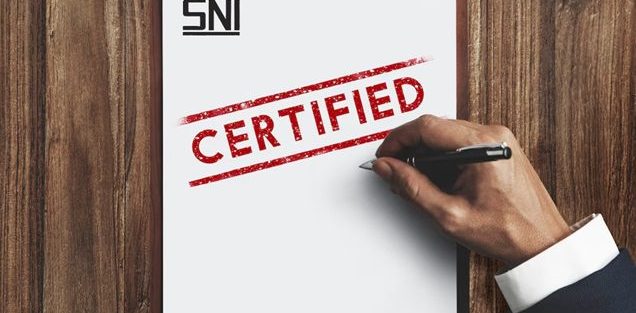
Upon approval, the SNI certificate is issued, allowing the certified product to be marketed in accordance with Indonesian regulations.
Maintaining SNI Compliance
Receiving an SNI certificate is not the final stage of compliance. Manufacturers are expected to maintain consistent production quality and continue meeting applicable standards throughout the certificate’s validity period.
Periodic surveillance audits, product testing, and compliance reviews may be conducted by the certification body to ensure that certified products continue to satisfy regulatory requirements. Businesses should also monitor changes to Indonesian standards and technical regulations that may affect future certification obligations.
Common Challenges During Certification
Many companies experience delays because they are unfamiliar with Indonesia’s certification procedures or underestimate the complexity of technical requirements.
Common challenges include:
- Identifying applicable SNI standards
- Preparing complete technical documentation
- Coordinating overseas factory audits
- Managing laboratory testing requirements
- Addressing non-conformities identified during evaluation
- Understanding changing regulatory requirements
- Coordinating communication with multiple government agencies
Working with experienced regulatory advisors can significantly reduce these challenges while improving certification efficiency.
How We Support Your SNI Certification
Our specialists provide comprehensive assistance throughout the entire SNI certification process, helping manufacturers, importers, distributors, and investors achieve regulatory compliance with confidence.
Our services include:
- Product eligibility assessments
- Regulatory advisory
- Documentation preparation
- Certification strategy development
- Coordination with accredited certification bodies
- Factory audit support
- Product testing management
- Government liaison
- Compliance monitoring
- Post-certification advisory
By combining technical expertise with practical project management, we help businesses reduce certification timelines, minimize regulatory risks, and successfully introduce compliant products into the Indonesian market.
Simplify Your Product Registration in Indonesia
Navigating Indonesia’s product certification requirements can be complex, particularly for companies entering the market for the first time. With the right guidance and regulatory expertise, however, the certification process becomes significantly more efficient and predictable.
Whether you are launching a new product, importing manufactured goods, or expanding your business into Indonesia, our experienced consultants are ready to help you achieve SNI certification and maintain long-term compliance. From initial assessment to certificate issuance and ongoing regulatory support, we provide the expertise needed to help your products reach the Indonesian market quickly, safely, and with confidence.